

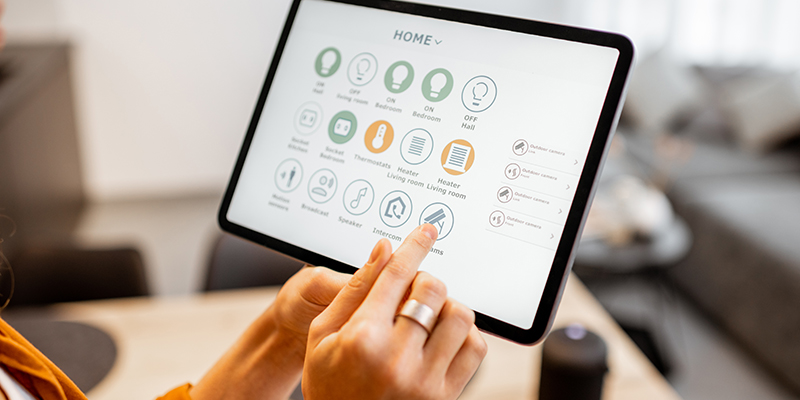

Technology has rapidly transformed our world, altering how we live, work, and interact. From smartphones to smart appliances, innovation has touched every part of our daily routines and now exists within homes through smart home technology – creating convenient living conditions with efficient energy consumption that are futuristic in appearance. In this blog post we delve further into this fascinating realm – discussing its introduction into modern construction to offer seamless convenience that meets efficiency in design with future living needs.
Establish the Base Conditions for Smart Homes in Modern Construction
Smart homes represent a remarkable transition in how we perceive living spaces. By embedding cutting-edge tech directly into its very foundation of a house, the boundaries between our physical surroundings and digital capabilities become less defined. Furthermore, modern construction methods incorporate smart home technology not simply through adding gadgets; rather it creates an ecosystem which better meets our needs while increasing security while decreasing energy usage.

Discovering Automation
Automation technology offers one of the greatest advantages for smart home technology users: automation. Imagine walking into your home one morning to find it has adjusted its temperature, opened blinds, brewed your morning coffee brewing all without you lifting a finger! Homeowners using automation systems enabled by technology have the convenience of remotely managing various tasks remotely such as controlling lighting, thermostats and security systems as well as scheduling appliances or entertainment setups – contributing greatly towards an enjoyable lifestyle defined by comfort and convenience.
Energy Efficiency and Sustainability
Modern construction projects aim to reduce their ecological impact, and smart home technology plays a pivotal role in doing just that. Energy efficient appliances, responsive lighting systems and thermostats work in unison to optimize energy consumption; with real-time data analysis making informed decisions about energy usage leading to decreased utility bills and lessened environmental impact. Furthermore, future advances could see renewable sources integrated with smart grid systems revolutionize how homes are powered.
Custom Designed Living Spaces
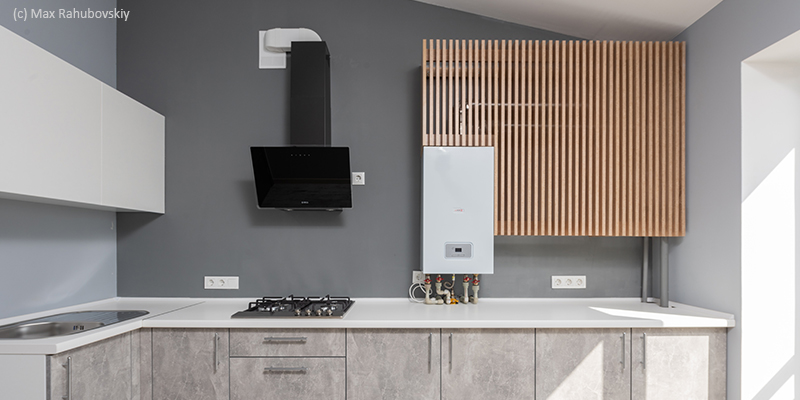
Technology’s vast flexibility enables it to adapt seamlessly to individual preferences and needs, which translates to homes designed specifically to their inhabitants’ requirements. Smart home systems recognize user behavior to personalize lighting, climate control, and entertainment options – an added layer of comfort demonstrating just how seamlessly technology can integrate itself into our living environments.
Security and Peace of Mind
Home security has taken great strides with the advent of smart home technology. From surveillance cameras and motion sensors to smart locks and doorbell cameras, homeowners are now able to remotely monitor and manage the safety of their homes via these innovations. Real-time alerts give peace of mind while being able to grant visitors entry even when not home makes smart homes convenient yet safe havens for families alike.
Future Proof Your Homes with Technology
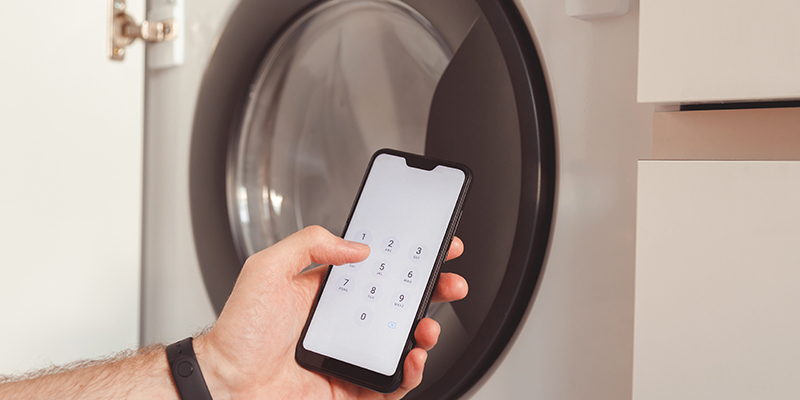
As technology rapidly develops, one of the greatest challenges lies in future-proofing homes to reflect these advancements. Modern construction must account for these shifts by designing adaptable and upgradable spaces that accommodate changing tech environments; such as wiring for high speed internet connection and anticipating integration of new devices as well as flexible rooms that accommodate future innovations – these all play key roles when considering building homes that accommodate future innovations.
Overcoming Challenges in Implementation
While smart home technology’s promise may be exciting, its successful integration in modern construction comes with unique challenges. To make sure its full benefits can be realized for homeowners without issue and securely, making sure its devices and systems work together, mitigating cybersecurity threats, educating users on proper use and maintenance are essential steps towards providing seamless experience that remains safe.
Balancing Modern Aesthetics with Technological Functionality
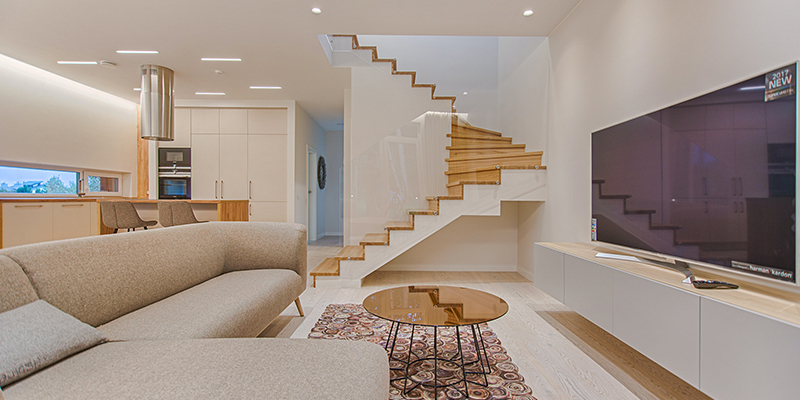
Integrating smart home technology doesn’t have to come at the expense of aesthetics; modern construction embraces sleek lines, minimalistic designs and open spaces; technology needs to integrate harmoniously into these principles without disrupting them; therefore, designers and architects must collaborate closely with technology experts so devices and systems blend into the overall aesthetics of a home seamlessly.
Embarking upon the Smart Home Revolution
Smart home technology integration into modern construction represents more than a passing fad; it represents a profound transformation in how we interact with our living spaces. As technology continues to advance, its possibilities within homes expand. The smart home revolution offers us a glimpse into an imagined future where comfort, efficiency, and innovation coexist peacefully within four walls we call home.
Concluding Our Future
Smart homes represent an exciting vision of modern construction’s future living environments. By harnessing technology’s transformative power, homes become intelligent ecosystems that respond to our needs while improving sustainability efforts and increasing quality-of-life measures. Now on the cusp of this technological revolution, it is evident that smart homes represent not just an idea; rather they represent a blueprint for building in which endless opportunities lie hidden ahead.


Leave a Reply